

More Than Support:
A Friendship That Began at the Prostate Cancer Centre
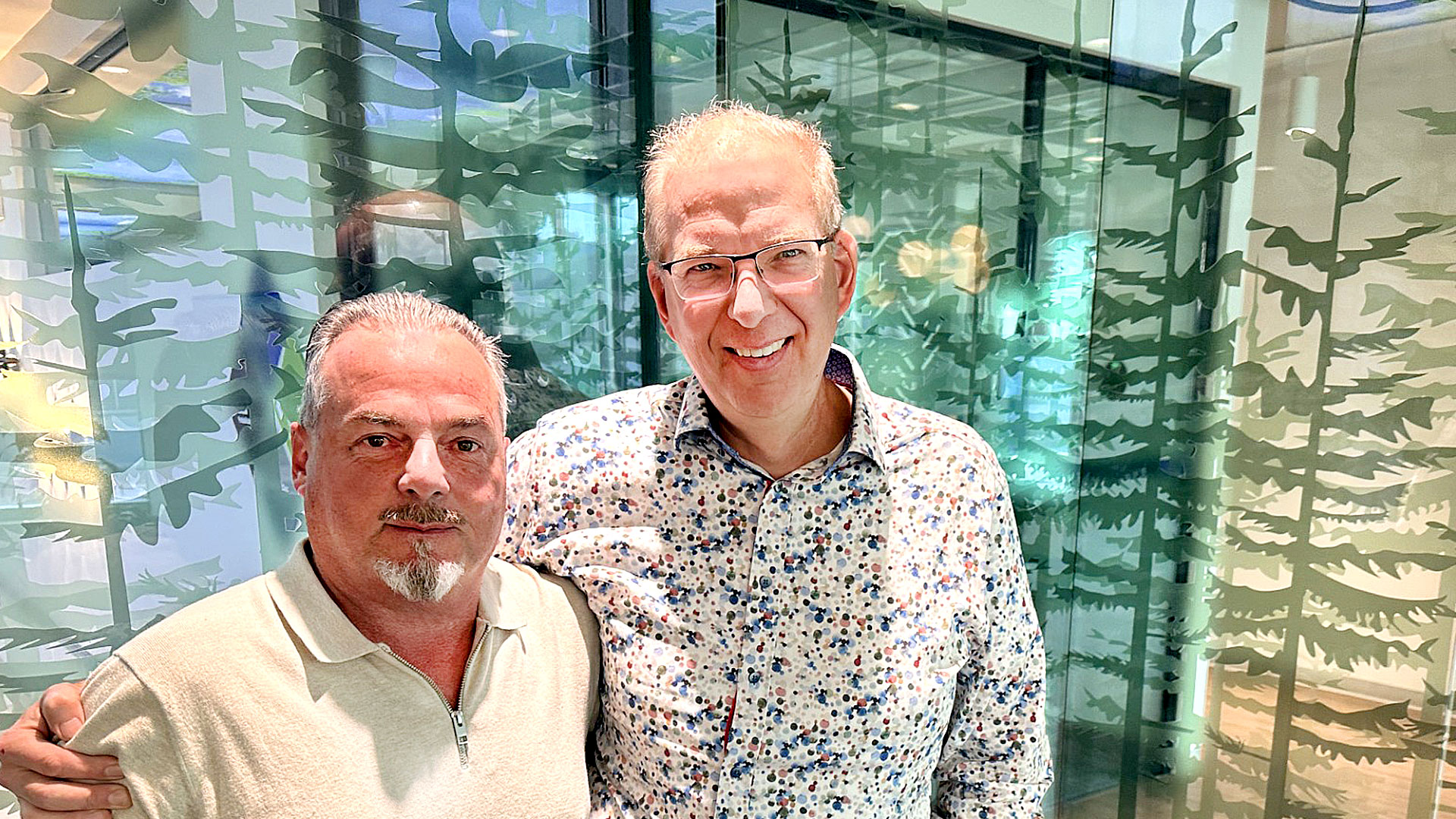
When Pierre Marleau first walked into the Prostate Cancer Centre’s You’re Not Alone support group, he wasn’t sure what to expect. He was still recovering from prostate surgery, adjusting to the physical changes that came with it and finding his way through a difficult period.
Pascal Grivel had already attended a few sessions. He was looking for someone who understood what he was facing — someone who had recently been through prostate cancer treatment and could talk openly about what lay ahead.
The two men didn’t know it at the time, but they were about to become much more than fellow support-group members. They would become close friends, confidantes and, in many ways, brothers.
Their story is a powerful example of what can happen when men have a place to connect with others who understand the experience of prostate cancer — not just the diagnosis and treatment, but everything that comes with it.
Finding someone who understands
Pascal and Pierre
Both men had taken different paths to their diagnosis.
Pierre had been proactive about prostate health for years. With a strong family history of prostate cancer — his father died from the disease at age 59 — he began PSA testing in his 30s. When his PSA levels started rising, he was monitored for several years before further testing identified cancer.
Pascal’s diagnosis came as more of a shock. After experiencing urinary problems and blood in his urine, he underwent further testing and was diagnosed with early-stage prostate cancer. His doctor delivered the news with a memorable opening: “I have two pieces of news for you. One is bad, and one is good. You have prostate cancer, and the good news, it’s early.”
Both men chose robotic prostatectomy, but their experiences and approaches to recovery were different.
Pierre had surgery on November 25, 2025. When his PSA levels remained detectable after surgery, he went on to complete 33 rounds of radiation. Pascal’s surgery took place the following May.
For Pascal, the period leading up to surgery brought uncertainty. He had questions and concerns, and although he had family and friends around him, he wanted to speak with someone who had recently experienced the same thing.
He had attended the You’re Not Alone group a few times but was initially hesitant to participate. Pierre, who is outgoing by nature, noticed him sitting quietly in the corner.
“I told him, ‘You can ask me anything, and I’ll tell you the good, the bad and the ugly,’” Pierre recalls.
They connected, exchanged phone numbers and began looking forward to seeing each other at the monthly sessions. Before long, they were checking in to see whether the other planned to attend.
Pierre was further along in his recovery, and Pascal was preparing for surgery. That timing made Pierre an important source of reassurance. Pascal describes him as a “big brother” — someone who could explain what recovery might look like, answer questions and offer perspective when worries crept in.
The conversations didn’t stop when the group ended. Pascal could call or text Pierre with questions about symptoms, recovery or the things he wasn’t sure were normal. Pierre was willing to be completely open, sharing the realities of surgery and recovery — including some of the more personal challenges that can be difficult to discuss.
For Pierre, the friendship offered something he hadn’t expected, too.
“It’s just not being alone,” he says. “You have family and spouses and people in your life, but nobody really knows what you’re going through.”
Being able to speak honestly with someone who understood the physical and emotional challenges made a difference. It gave Pierre someone he could reach out to when things felt difficult, and someone with whom he didn’t have to explain every detail.
“Suddenly you feel like you’re not alone anymore. You’re not fighting this by yourself.”
The power of lived experience
The friendship between Pierre and Pascal reflects the purpose of the PCC’s peer-support program. Men at different stages of the prostate cancer experience have an opportunity to connect, share what they’ve learned and offer encouragement to someone facing similar decisions or challenges.
Mental health nurse Lexi Peters saw their connection develop through the You’re Not Alone sessions.
“It was truly wonderful to see Pierre and Pascal connect through the You’re Not Alone group sessions,” she says. “When they first joined, both were somewhat hesitant to participate. Over time, Pierre was able to share his recent experiences and insights with Pascal, while Pascal gained not only valuable support but also a meaningful friendship to help carry him through his journey.”
She says their experience highlights the value of bringing together men at different stages of the prostate cancer journey.
“Peer support offers something uniquely valuable: the perspective and understanding that comes from lived experience, complementing the care and guidance provided by our nursing team.”
That support can take many forms. Some men may find comfort in a group setting, while others benefit from speaking one-on-one with a peer volunteer, connecting with a nurse or accessing counselling and other mental wellness resources.
Pierre and Pascal both found value in the people who supported them along the way. They speak highly of the nurses and staff who helped guide them through appointments, recovery and the questions that inevitably arise. Pierre also credits the PCC’s prehabilitation program, which helps men be more physically and mentally fit leading up to surgery and his recovery. It is proven that the healthier you are prior to any procedure, the better the results and often less complications. Pierre credits the support of the PCC prehabilitation team as an important part of his experience.
A friendship that keeps giving
Today, both men are continuing to recover and attend follow-up appointments. Pierre has completed his radiation treatments and is monitoring his PSA levels. He is now looking ahead to his next follow-up.
But their connection is no longer just about getting through treatment. Both men want to help others who are beginning the same experience.
Pascal remembers reaching out to men on the PCC’s peer-support contact list when he was first diagnosed. The list is comprised of past prostate cancer patients who volunteer to be contacted by new patients who might have questions and want to hear from a peer what they went through rather than just their urologist or nurses Those conversations helped him, and he has decided he wants to offer that same reassurance to someone else.
“If somebody’s going to call me on a Sunday morning or a Wednesday night at ten o’clock, I’ll be there,” he says.
Pierre has also started the process of becoming a volunteer. He remembers wishing he had someone who could tell him honestly what to expect. When Pascal asked questions, Pierre made a point of being open — including the parts of recovery that weren’t easy.
Their friendship has given both men something they didn’t know they needed. They still check in on one another, remember important milestones and offer reassurance when new worries arise.
“Friendship means everything,” Pascal says. “I hope our journey is not over. I’m sure even if it’s over, we’re going to help each other.”
Pierre feels the same way. He describes their connection as precious — a friendship formed through an experience neither would have chosen, but one that has brought them a lasting sense of understanding and support.
Both men encourage others not to put off talking to their doctor about prostate health or getting checked, particularly if they have a family history. And for anyone who has received a diagnosis, they want them to know that asking for support is just as important as navigating treatment.
“You’re not alone,” Pierre says. “There’s a lot of support.”
At the Prostate Cancer Centre, that support is made possible by the people who provide care, guide patients and create opportunities for men to connect. The nurses and staff are at the heart of those programs, helping ensure that patients have access to more than medical treatment — they have people to turn to along the way.
Pierre and Pascal arrived at a support group looking for answers and reassurance. They found those things, but they also found a lifelong friendship.
And now, as they look ahead, they’re ready to make sure another man doesn’t have to face the experience alone.
If you or someone you know needs mental health support, the Distress Centre operates a 24-hour crisis line you can call or text at 403-266-4357. You can also visit the Distress Centre website for additional support and information.